
Shop iPhone With AirDrop Feature For Seamless File Sharing revolutionizes how you share files in today’s digital world. With just a few taps, you can effortlessly transfer photos, documents, and more directly between devices, cutting out the hassle of traditional sharing methods. Imagine sending your favorite vacation photos to friends nearby or collaborating on a project without the need for internet access – that’s the magic of AirDrop!
In an age where connectivity is key, AirDrop stands out by providing a fast, secure, and user-friendly solution for file sharing. Whether you’re a student needing to share lecture notes or a professional collaborating on a presentation, AirDrop is designed for you. With its seamless integration into the iPhone ecosystem, it not only simplifies your sharing experience but also enhances productivity.
The Importance of AirDrop in Modern File Sharing
AirDrop is revolutionizing the way iPhone users share files, making the process faster, easier, and more efficient than ever before. With just a few taps, users can transfer photos, documents, and other files without the need for traditional methods or complex setups. As the digital landscape continues to evolve, the significance of AirDrop becomes even more apparent, enhancing connectivity and fostering seamless collaboration.AirDrop stands out as a superior file-sharing option compared to conventional methods such as email and Bluetooth.
It allows users to send files directly between Apple devices without the hassle of internet access or the limitations of file size often associated with email attachments. The instant connection established via Wi-Fi and Bluetooth ensures that large files can be transferred in seconds, providing a hassle-free experience. Whether you’re at a family gathering sharing vacation pictures or at a business meeting exchanging presentations with colleagues, AirDrop is quick and reliable.
Situations Where AirDrop Proves Beneficial
AirDrop is particularly advantageous in numerous scenarios that highlight its efficiency and convenience. Below are several instances where AirDrop shines as a preferred file-sharing tool:
- At social gatherings, sharing photos and videos becomes effortless. Family members can quickly send images captured on their devices to everyone, creating a collective album in no time.
- In professional settings, AirDrop facilitates real-time collaboration. Team members can share important documents, presentations, and reports instantly during meetings, enhancing productivity and minimizing delays.
- When hosting events, such as weddings or parties, hosts can quickly distribute schedules, maps, and contact information to guests, ensuring everyone is informed and connected.
- Students benefit from AirDrop in educational environments, where they can share lecture notes, assignments, and research materials with classmates, streamlining group projects and discussions.
“AirDrop transforms file sharing into a seamless experience, allowing users to connect and share without boundaries.”
The ease of use and speed of AirDrop not only enhances personal interactions but also strengthens professional collaborations. As the reliance on digital communication continues to grow, AirDrop remains an essential tool for effective and efficient file sharing among iPhone users, bridging the gap between devices and fostering a connected community.
How to Enable AirDrop on Your iPhone for Seamless File Transfers
AirDrop is a revolutionary feature that allows iPhone users to share files with incredible ease and speed. Whether it’s photos, documents, or contacts, AirDrop streamlines the sharing process. Enabling this feature can enhance your iPhone experience, making it simpler than ever to connect with friends and family nearby.To enable AirDrop on your iPhone, follow these detailed steps according to your device model.
The process is simple and intuitive, ensuring that you can quickly start sharing files in no time.
Step-by-Step Process to Enable AirDrop
1. Open Control Center
For iPhone X and later, swipe down from the upper-right corner of the screen.
For iPhone 8 and earlier, swipe up from the bottom edge of the screen.
2. Access AirDrop Settings
Press and hold the network settings card (the panel with Airplane Mode, Cellular Data, Wi-Fi, and Bluetooth).
Tap on the AirDrop icon to see your options.
3. Select AirDrop Visibility
Choose from the available options
Receiving Off
AirDrop is disabled.
Contacts Only
Only your contacts can discover your iPhone for file transfers.
Everyone
All nearby Apple devices can send files to your iPhone.
4. Confirm Settings
Once selected, your iPhone will automatically update the settings, and you are ready to start receiving and sending files through AirDrop.
Available Settings for AirDrop and Their Implications
The settings you choose for AirDrop directly impact your privacy and ease of sharing:
Receiving Off
This option disables AirDrop. You won’t receive any files, but you can still send files.
Contacts Only
If you select this, ensure that your contacts are saved in your device. This setting is more secure, limiting who can find your device.
Everyone
This option is ideal for quick sharing, especially in public spaces. However, it may pose privacy concerns since anyone nearby can send you files.
Troubleshooting Common Issues with AirDrop
If you encounter issues while using AirDrop, the following tips can help resolve them efficiently. Implementing these solutions ensures a smooth file-sharing experience.First, confirm that both devices have:
Bluetooth and Wi-Fi Enabled
AirDrop requires both to function correctly.
Compatible Devices
Ensure that the other device is a compatible Apple product (iPhone 5 or later, iPad 4 or later, or a Mac running OS X Yosemite or later).
Proximity
Make sure both devices are within approximately 30 feet of each other.If you’re still having trouble, consider:
1. Restarting Your Device
Sometimes, a simple reboot can fix connectivity issues.
2. Checking Do Not Disturb Mode
Ensure this mode is turned off, as it may block incoming connections.
3. Updating iOS
Keeping your device updated ensures all features work seamlessly.
4. Resetting Network Settings
If issues persist, navigate to Settings > General > Reset > Reset Network Settings. This action will erase saved Wi-Fi passwords and other connections, so proceed with caution.By following these steps and tips, you can enjoy the full potential of AirDrop, making file sharing as effortless as it should be.
Comparing AirDrop with Other File Sharing Technologies
The realm of file sharing technologies has grown significantly, offering various options for users to transfer data seamlessly between devices. Among these, Apple’s AirDrop stands out for its simplicity and effectiveness, particularly for iPhone users. This comparison explores how AirDrop measures up against other popular file-sharing platforms, highlighting its unique features and user experiences.
Comparison of File Sharing Technologies
Several file-sharing technologies are widely used on smartphones, each with its unique capabilities and limitations. Here’s a look at some of the most popular options available in the market:
- AirDrop: Exclusive to Apple devices, AirDrop allows users to share files wirelessly through a combination of Bluetooth and Wi-Fi Direct. Its user interface is intuitive, requiring only a few taps to initiate transfers.
- ShareIt: This cross-platform app enables users to share files without the need for internet connectivity by creating a direct peer-to-peer connection. However, users often report issues with stability and security.
- Google Drive: Primarily a cloud storage solution, Google Drive allows file sharing through links. While convenient for collaboration, it requires internet access, which can limit usability in certain situations.
- Bluetooth: An older technology, Bluetooth allows for file transfers but is significantly slower than AirDrop. Its compatibility across devices can be an advantage, but the transfer process can be cumbersome.
The effectiveness of these technologies varies based on user preferences and requirements for speed, ease of use, and security features.
Unique Selling Points of AirDrop
AirDrop distinguishes itself from competitors like ShareIt and Google Drive in several significant ways, making it a preferred choice for Apple users:
- Speed: AirDrop utilizes both Bluetooth for discovery and Wi-Fi for fast data transfer, allowing for quick file sharing that typically takes seconds, unlike the slower speeds of Bluetooth or the upload/download times required by cloud services.
- Simplicity: With an interface that integrates seamlessly into the Apple ecosystem, initiating a transfer is as simple as selecting the file and tapping on the recipient’s device name, making it user-friendly even for less tech-savvy individuals.
- Privacy and Security: AirDrop employs end-to-end encryption for transfers, ensuring that files shared remain private and secure. In contrast, other services may expose shared files to greater risks due to their reliance on internet connectivity.
- No Internet Required: Transfers can occur without any internet connection, making it ideal for situations where connectivity is limited or non-existent, unlike cloud-based options that necessitate online access.
The advantages of AirDrop enhance user experiences significantly, with many users praising its efficiency and ease of use.
User Experiences and Preferences, Shop iPhone With AirDrop Feature For Seamless File Sharing
User feedback on AirDrop consistently emphasizes its effectiveness and reliability. Many iPhone users have expressed that they prefer AirDrop for its straightforward operation and rapid transfer speeds, especially when sharing high-resolution images or large files.
“AirDrop has changed the way I share photos with my friends. It’s so quick and simple; I can send a whole album in seconds!” – A satisfied AirDrop user
In contrast, while ShareIt offers cross-platform functionality, users often cite issues with connection stability and speed during transfers. Google Drive, while excellent for collaborative work, is seen as less efficient for quick sharing, particularly in social settings where immediacy is essential.The preference for AirDrop is evident among iPhone users, who value its integration with the Apple ecosystem, making it the go-to choice for instant file sharing on their devices.
This preference highlights the importance of user-centric design and performance in the selection of file-sharing technologies.
Practical Uses of AirDrop in Daily Life
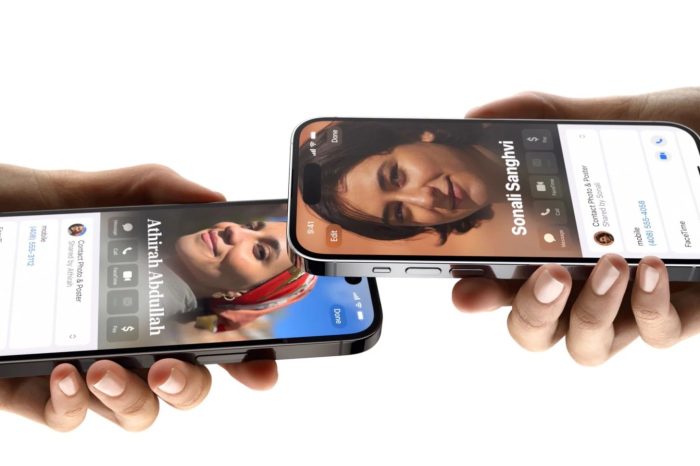
AirDrop is a powerful feature designed to simplify the process of sharing files and information across Apple devices. Its efficiency and speed make it an essential tool for enhancing productivity in various scenarios, whether at home, school, or in the workplace. With just a few taps, users can seamlessly transfer photos, documents, and links, transforming the way they communicate and collaborate.AirDrop significantly enhances collaboration and productivity by allowing users to share files instantly without the need for email or messaging apps.
This feature is particularly beneficial during events or projects, where quick exchanges of information are crucial. Below are several real-life scenarios illustrating how different user groups make the most of AirDrop:
Usage Scenarios for Students and Professionals
In educational settings, AirDrop serves as a vital resource for students to share study materials, notes, and group project files effortlessly. For professionals, it simplifies sharing presentations, documents, and images during meetings or conferences. Here are some specific examples:
- Classroom Collaboration: Students working on group projects can use AirDrop to quickly share their research files and presentations, ensuring everyone has the latest information without delays.
- Event Coordination: During conferences or seminars, organizers can use AirDrop to send schedules, speaker bios, and other important documents to attendees’ devices, improving event flow.
- Quick Photo Sharing: At social gatherings or parties, users can instantly share photos taken throughout the event, allowing everyone to relive memories right away.
- Hands-On Learning: In technical courses, instructors can share code snippets or software demos directly to students’ devices, enhancing the learning experience through immediate access to relevant materials.
AirDrop also benefits creative professionals, providing a streamlined way to collaborate on projects in real-time. For instance, designers can share mock-ups and sketches with clients or team members instantly, fostering an environment of creativity and prompt feedback.
“AirDrop transforms how we share ideas, enabling instant collaboration and faster project completion.”
In summary, AirDrop is not just a convenient file-sharing feature; it’s a game-changer for daily interactions. From students exchanging notes to professionals sharing critical documents, AirDrop enhances productivity, simplifies communication, and fosters collaboration across various aspects of life.
Exploring AirDrop’s Security Features and Privacy Settings
AirDrop is a powerful tool that allows Apple users to share files wirelessly with ease and convenience. However, the security and privacy of your data during these transfers are paramount. Understanding the protective measures AirDrop employs, as well as how to manage your privacy settings, can greatly enhance your user experience while minimizing potential risks.AirDrop utilizes several security measures designed to protect users during file transfers.
Firstly, the service uses encryption protocols to ensure that the data being sent is secure during transmission. When a file is shared via AirDrop, it is encrypted using a secure method known as Transport Layer Security (TLS), which protects the content from unauthorized access. Moreover, AirDrop only allows file sharing between devices that are within close proximity, leveraging Bluetooth and Wi-Fi technology to create a secure connection.
AirDrop Security Measures
The security of AirDrop is underpinned by specific features that safeguard the transfer process:
- Encryption: All transfers are encrypted, ensuring that files cannot be intercepted and read by unauthorized parties.
- Proximity Requirements: Devices must be physically near each other, reducing the chances of remote access.
- Device Verification: Only authenticated Apple devices can send and receive files through AirDrop, providing an additional layer of security.
- User Control: Users can choose their AirDrop visibility settings, allowing them to limit who can send files to them.
Privacy settings related to AirDrop empower users to manage their visibility and control the flow of information. Users can select from three options: “Receiving Off,” “Contacts Only,” or “Everyone.” This granularity allows for a tailored approach to file sharing, ensuring that users can protect their privacy according to their preferences.
Managing AirDrop Privacy Settings
It is crucial for users to be proactive in managing their AirDrop settings to prevent unwanted file transfers and maintain control over personal data.
- Receiving Off: This setting disables AirDrop entirely, ensuring that no one can send you files.
- Contacts Only: By selecting this option, only people in your contacts can send you files, minimizing the risk of spam or unwanted transfers.
- Everyone: While this setting allows for maximum sharing capability, it also poses a higher risk. Users are advised to switch back to Contacts Only or Receiving Off when not actively sharing.
Proper management of AirDrop settings is essential to safeguard your privacy while enjoying seamless file-sharing capabilities.
Despite its robust security features, AirDrop may still present potential risks. For instance, if set to “Everyone,” users may receive unsolicited files from unknown individuals, which could potentially contain malware or inappropriate content. To mitigate these risks, users should regularly review their AirDrop settings, only enable “Everyone” when necessary, and be cautious about accepting files from unknown sources.By understanding and utilizing AirDrop’s security features and privacy settings, users can confidently share files while keeping their sensitive information protected.
Embrace the power of AirDrop with peace of mind, knowing that your privacy is in your hands.
AirDrop Troubleshooting
AirDrop is an incredible feature that allows seamless sharing of files between Apple devices. However, users sometimes encounter issues that hinder its functionality. Understanding common problems and their solutions will enhance your AirDrop experience, ensuring that sharing files remains as effortless as it should be.When AirDrop fails to work, it can be frustrating for users. Issues can arise from connectivity problems, incorrect settings, or even software glitches.
Fortunately, most of these problems can be easily resolved. Below is a guide that tackles frequent AirDrop issues along with effective solutions.
Common Issues and Solutions
Identifying specific problems can streamline the troubleshooting process. Below is a summary table of common AirDrop issues and their corresponding solutions for quick reference.
| Issue | Solution |
|---|---|
| Devices not appearing in AirDrop | Ensure Wi-Fi and Bluetooth are enabled on both devices, and they are within proximity. |
| File transfer is slow or fails | Check your network connection, and try restarting both devices. |
| Receiving device shows ‘Not Discoverable’ | Set the receiving device to ‘Everyone’ in AirDrop settings. |
| AirDrop not working after an update | Restart the device and ensure both software versions are compatible. |
| Firewall settings blocking AirDrop | Check the settings on your Mac and adjust as necessary. |
Resetting network settings can also resolve persistent AirDrop issues. This process clears stored Wi-Fi and Bluetooth connections, which can sometimes be the cause of AirDrop malfunctions. Here is how to reset network settings on your device:
- Open the Settings app.
- Tap on General.
- Scroll down and select Transfer or Reset iPhone.
- Choose Reset and then select Reset Network Settings.
- Enter your passcode if prompted, and confirm the reset.
After resetting, reconnect to your Wi-Fi network and enable Bluetooth again before attempting to use AirDrop. Keep in mind that this process will erase saved Wi-Fi passwords, requiring you to re-enter them.
Resolving AirDrop issues is often a straightforward process. With the right knowledge at hand, sharing files can be a quick and painless experience.
Future Developments of AirDrop Technology
As technology continues to evolve, so too does the potential of AirDrop, Apple’s innovative file-sharing feature. Future iterations are expected to refine user experience, enhance security, and expand capabilities, ensuring seamless and efficient sharing between devices. Anticipated improvements promise to make AirDrop an even more integral part of the Apple ecosystem, catering to the needs of users across various scenarios.
Anticipated Updates and Enhancements
With each new iOS version, users can expect a range of enhancements to AirDrop functionality. These developments could include improved speed, enhanced connection stability, and greater compatibility with third-party devices. The following points Artikel key areas for potential updates:
- Increased transfer speeds, leveraging advancements in Bluetooth and Wi-Fi technology.
- Integration of machine learning algorithms to predict optimal transfer paths and reduce latency.
- Enhanced security protocols to protect user data during transfers, ensuring privacy and safety.
- Expanded device compatibility, allowing AirDrop to function seamlessly with a broader range of Apple products and potentially non-Apple devices.
Innovations in wireless technology, such as Wi-Fi 6 and future iterations, will likely enhance AirDrop’s performance. These advancements can contribute to faster data transfer rates and more robust connections that can handle larger files with ease.
User Demand and Future Predictions
As user needs evolve, so too will the functionality of AirDrop. The demand for instantaneous data sharing, especially in professional environments and during collaborative projects, will drive innovation. Predictions suggest that AirDrop may soon incorporate features such as:
- Multi-file transfer capabilities that allow users to share multiple files in one go, streamlining the sharing process.
- Customizable sharing options, allowing users to set preferences for who can send them files and how.
- Integration with augmented reality (AR) features, enabling users to share digital assets directly into AR environments.
- Enhanced search functionalities that allow users to find and select files for transfer more quickly.
The evolution of AirDrop will likely mirror trends observed in other social and file-sharing applications, where responsiveness to user feedback leads to continuous improvement in features and usability. As seen with evolving platforms like Slack and Microsoft Teams, rapid adaptation to user demands is crucial for retaining user engagement.
As AirDrop continues to adapt, users can look forward to an enhanced experience that prioritizes speed, security, and seamless sharing capabilities.
Final Thoughts
In conclusion, embracing the Shop iPhone With AirDrop Feature For Seamless File Sharing opens up a whole new world of convenience and efficiency. Experience the ease of sharing files instantly, securely, and without the clutter of cables or complicated setups. The future of file sharing is here, and it’s at your fingertips with AirDrop on your iPhone!
FAQ Overview: Shop IPhone With AirDrop Feature For Seamless File Sharing
What is AirDrop?
AirDrop is a feature on iPhones that allows users to share files wirelessly with other Apple devices nearby.
How do I enable AirDrop on my iPhone?
You can enable AirDrop by swiping down from the top right corner to access Control Center and tapping on the AirDrop icon to select your sharing preferences.
Is AirDrop secure?
Yes, AirDrop uses encryption to ensure that the files you share are secure during transmission.
Can I use AirDrop without Wi-Fi or cellular data?
Yes, AirDrop uses Bluetooth and Wi-Fi to create a peer-to-peer connection, so Wi-Fi or cellular data is not required.
What types of files can I share using AirDrop?
You can share a variety of file types, including photos, videos, documents, and more.






Leave a Comment